Researchers
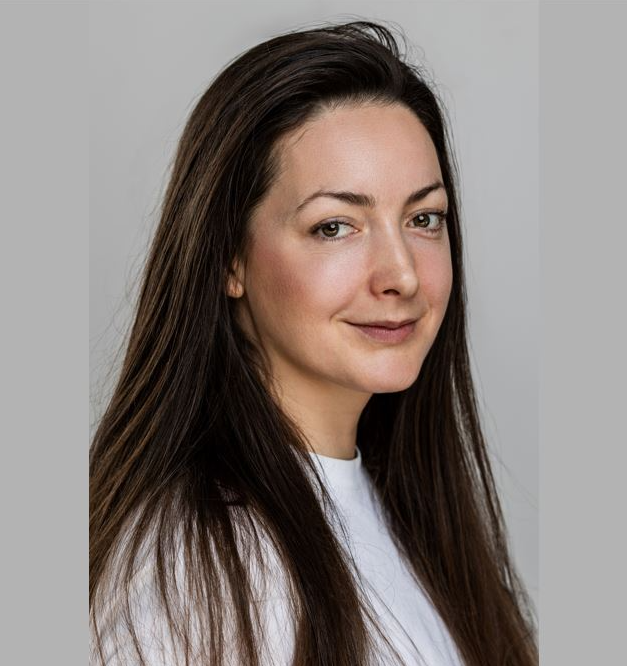
Blanka Szeitl
Assistant Professor, Department of Statistics, Faculty of Social Sciences, Eötvös Loránd University, Hungary
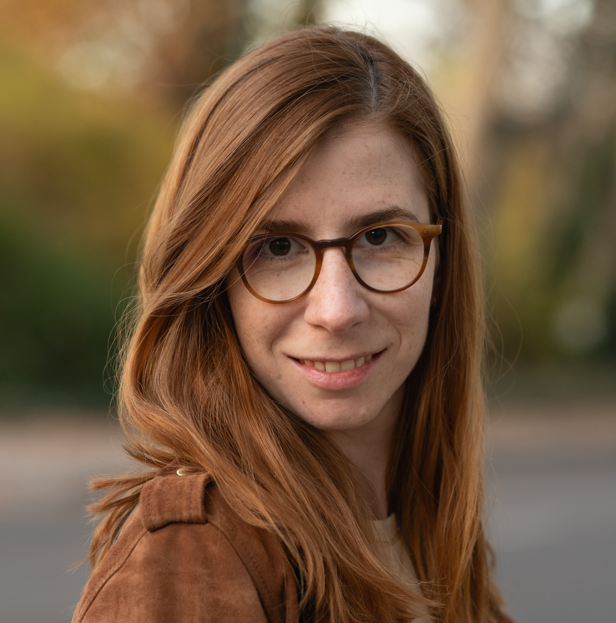
Eszter Rita Katona
Assistant Professor, Department of Social Research Methodology, Faculty of Social Sciences, Eötvös Loránd University, Hungary
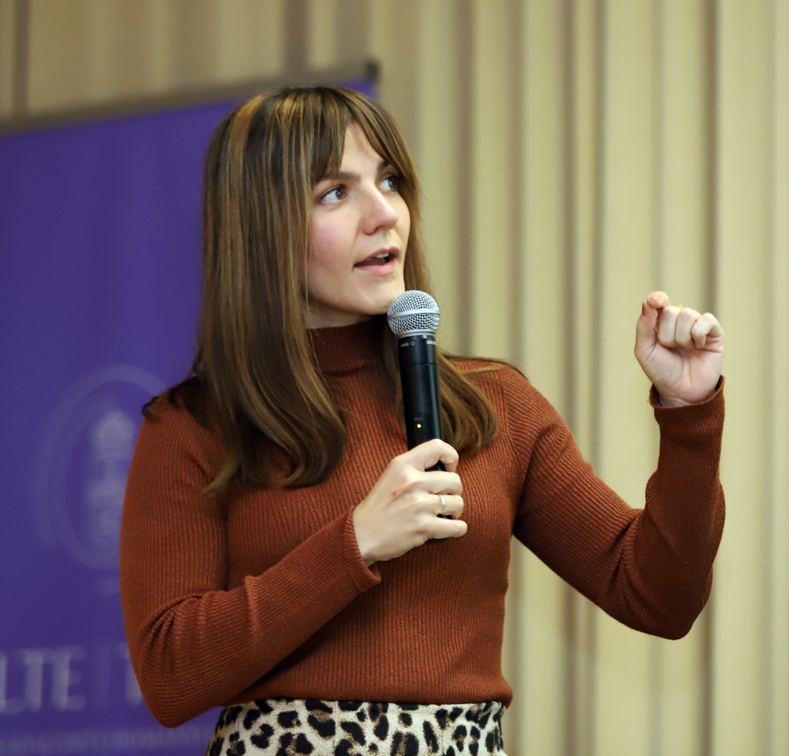
Emese Túry-Angyal
Assistant Professor, Department of Statistics, Faculty of Social Sciences, Eötvös Loránd University, Hungary
Tamás Rudas
Professor Emeritus, Department of Statistics, Faculty of Social Sciences, Eötvös Loránd University, Hungary
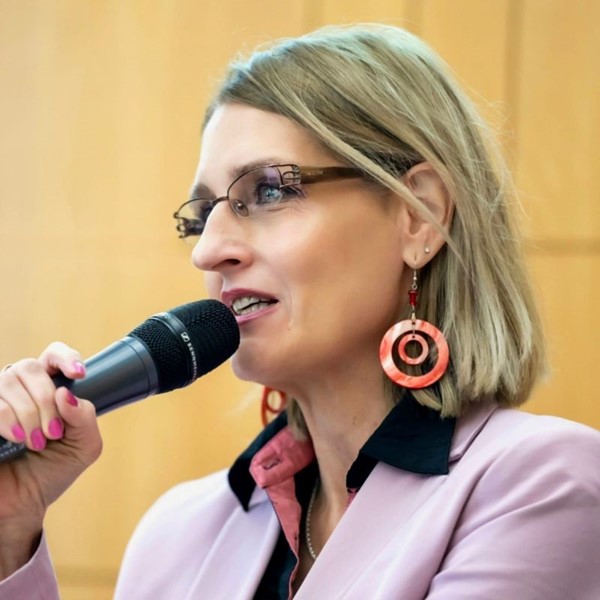
Andrea Szabó
Habil. Associate Professor, Institute of Political Sciences, Faculty of Law, Eötvös Loránd University, Hungary
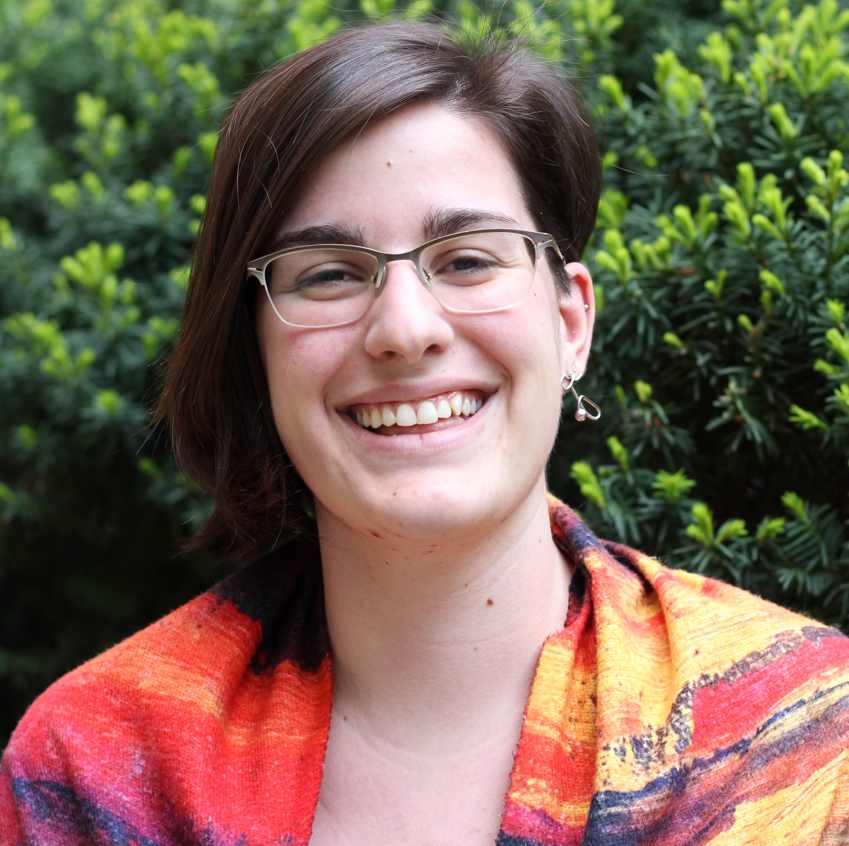
Otília Biszák
Student, Survey Statistics and Data Analysis MSc, Eötvös Loránd University, Hungary
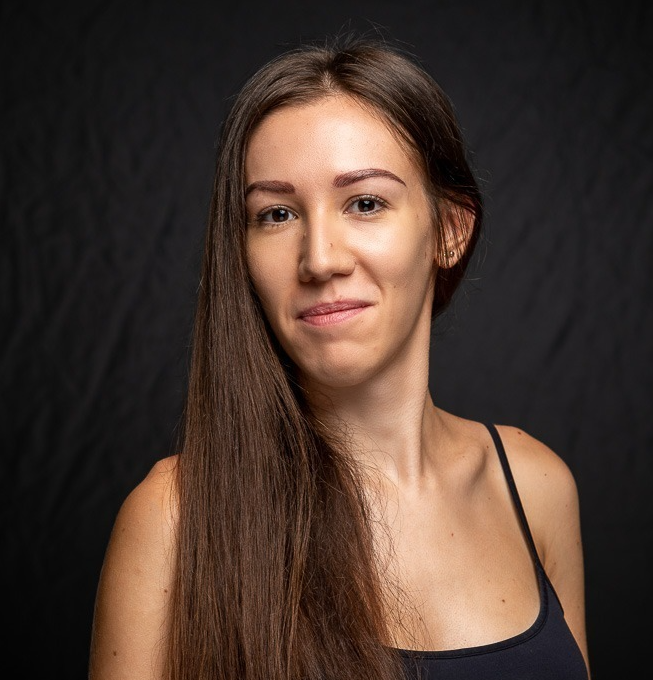
Bernadett Kajos-Nagy
Student, Survey Statistics and Data Analysis MSc, Eötvös Loránd University, Hungary
The ELTE Survey Methods Room Budapest is a research group within the Department of Statistics at ELTE’s Faculty of Social Sciences that focuses on survey methodology. Our work centers on the question of how to collect reliable data in a world where social research methods and the data collection environment are constantly changing.
About survey-based data collection
Surveys are one of the most important data sources in the social sciences. They help us learn about people's opinions, attitudes, values, living conditions and behavior, making them indispensable in understanding social processes. The results of survey research are used, among others, in public opinion polls, socio-political analyses, market research, and numerous domestic and international scientific studies. The quality of survey data is therefore not merely a methodological issue: it fundamentally determines the extent to which we can draw reliable conclusions about the functioning of society.
About survey methodology
Survey methodology examines how each step of data collection – sampling, questionnaire design, data collection methods, response rate, weighting or statistical estimation – influences the results of research. The spread of online surveys, the declining response rate, and the emergence of new data sources pose fundamental challenges to social science research. The purpose of survey methodology is to provide scientifically grounded answers to these challenges and to ensure that the conclusions drawn from research are reliable, valid and comparable.
About our focus
The research conducted at the ELTE Survey Methods Room Budapest lies at the intersection of the social sciences and mathematical statistics. In our work, we examine methodological issues related to the design, implementation, and statistical analysis of questionnaire data. Our goal is to develop and evaluate methods that contribute to improving the data quality of questionnaire-based research and the reliability of empirical social science research.
Funding sources for our projects between 2024 and 2026:


Junior researchers

Csenge Domján
She holds a BA in Sociology with a specialisation in data-centered social science. In her thesis, she examined the impact of feminine–masculine self-concept on Hungarian women’s work value choices, analysing structural gender inequalities within the framework of world-systems theory. Motivated by her interest in quantitative methods, she started her MSc in survey statistics and data analytics in 2025.

Kincső Temesszentandrási
Kincső graduated from ELTE with a bachelor's degree in sociology, specializing in data-driven social sciences, and is currently pursuing a master's degree in social behavior analysis, with a focus on Big Data. She is also a junior data analyst at the Government Transparency Institute. Her thesis was on institutionalized corruption, in which she focused on how it can be detected using quantitative methods. In addition to corruption research, she is also interested in the study of political elites, questionnaire surveys and data visualization.
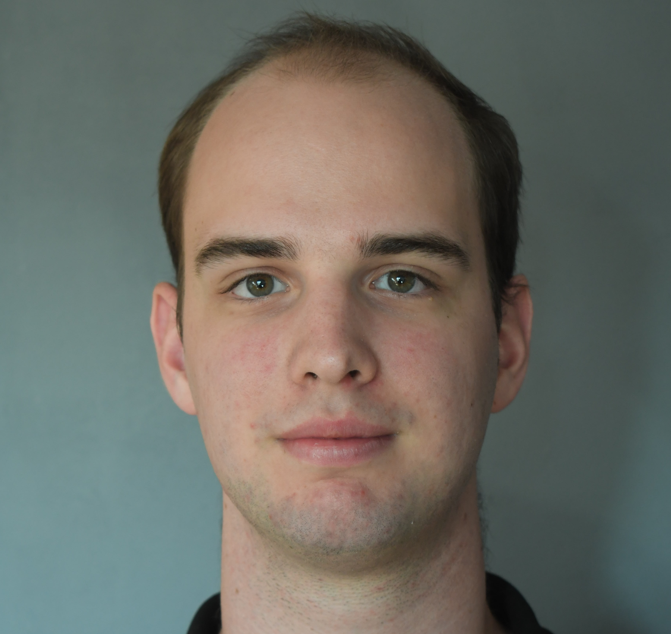
Péter Barta
He holds a BSc in Applied Economics from Corvinus University of Budapest. During his undergraduate studies, he had a keen interest in statistics, econometrics, and methodology, which led him to pursue an MSc in Survey Statistics and Data Analytics, starting in 2025. His academic focus shifted toward social sciences early on; in his thesis, he analyzed the chances of labor market reintegration following long-term unemployment. His current interests center on survey methodology, political analysis and data visualisation.
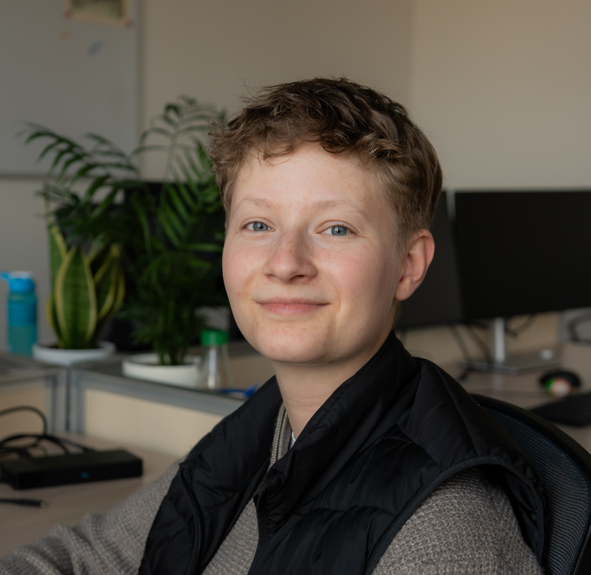
Rebeka Tóth
Currently pursuing a bachelor’s degree in Sociology, with additional training from a one-year supplementary program in Information Technology focused on developing practical skills in data analysis and programming. Works in the economic sector as a modelling analyst, applying statistical and quantitative methods on a daily basis. Main interests include gaining a deeper understanding of the methodological and applied aspects of statistics, as well as continuously expanding the analytical and research toolkit.
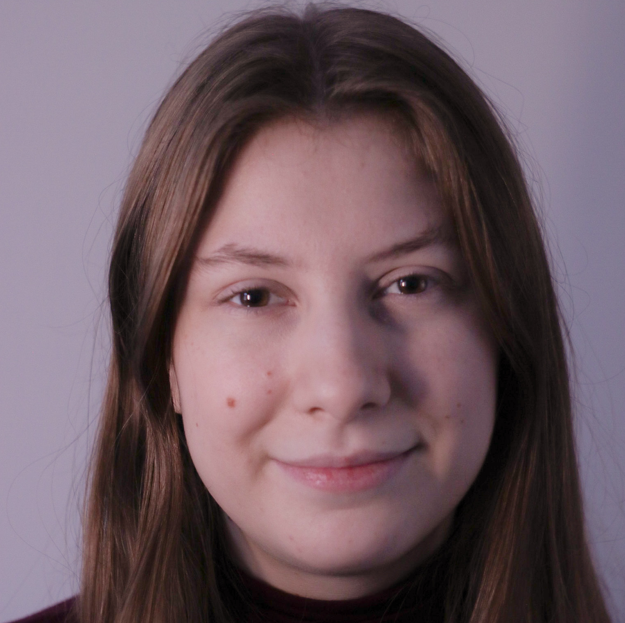
Tamara Tóth
She holds a bachelor’s degree in Sociology with a specialization in data-driven social science. Her bachelor’s thesis examined the impact of political attitudes and political news consumption on the mental health of the Hungarian online population. She is currently studying Survey Statistics and Data Analytics at the master’s level at ELTE. Her main areas of interest include survey methodology, data visualization, and programming.
Interns
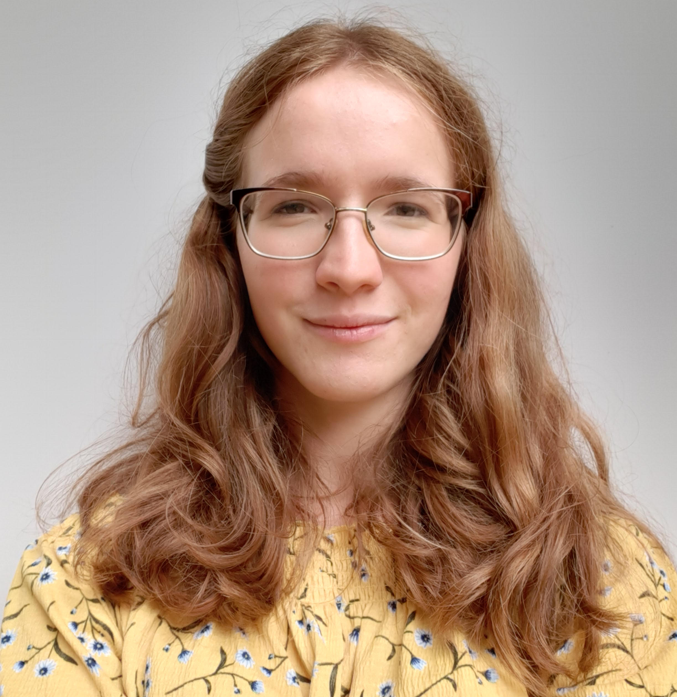
Ajsa Fehér
She is currently an undergraduate Sociology student at ELTE Faculty of Social Sciences, specializing in data-driven social science. She considers the transparency and accuracy of quantitative research methods important and is committed to making these methods accessible and understandable to a broad audience. In addition, she is interested in education and mentoring: at ELTE, she has worked as a statistics teaching assistant and mentor.
Itir Bozdag
She received her bachelor’s degree in Sociology from the Middle East Technical University (METU) in Turkey and is currently a master’s student in Survey Statistics and Data Analytics. During her previous internship, she participated in media analysis projects based on artificial intelligence and machine learning. Her main areas of interest are quantitative methods, computational social science and survey data collection methods.
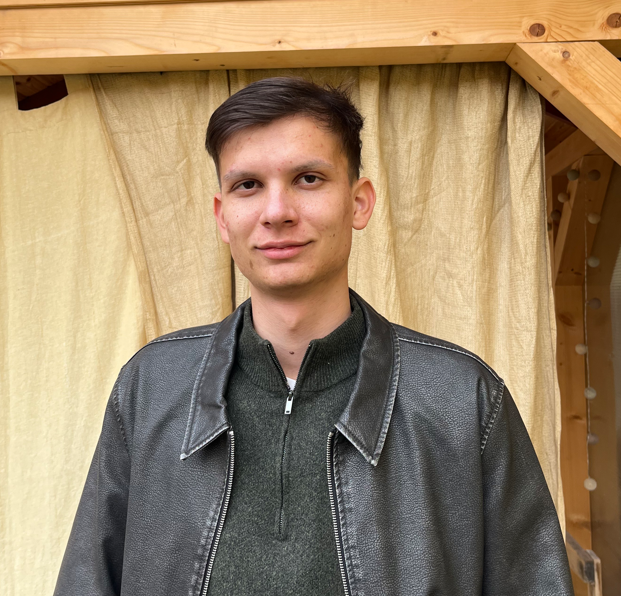
Zalán Kertész
He is an undergraduate Sociology student at ELTE, currently pursuing a data-focused specialization. He believes it is most important to make quantitative methods and their results accessible and easy to understand. In his free time, he enjoys regular exercise and an active social life.
Earlier contributors
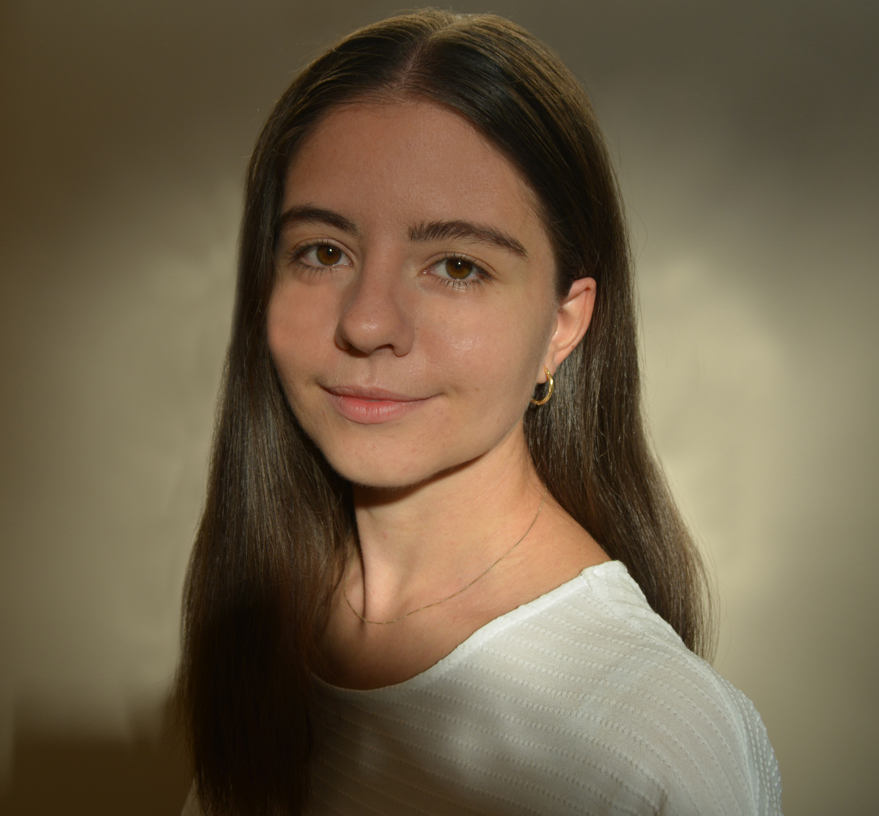
Anna Kovács
Sociology BA

Annamária Zsiros
Survey Statistics and Data Analysis MSc

Benedek Kovács
Mathematics BSc, SZTE

Benedek Sarnyai
Survey Statistics and Data Analysis MSc
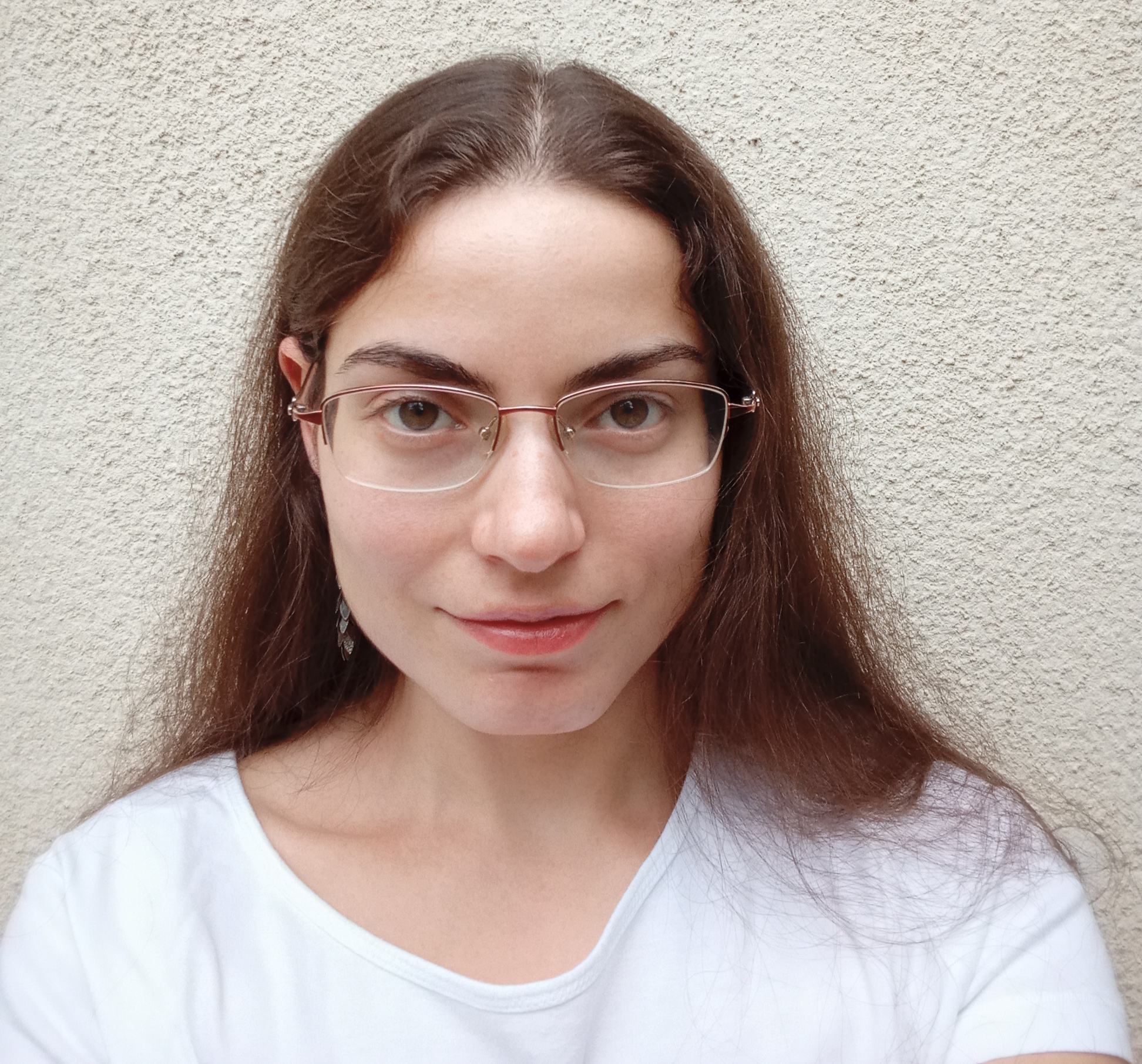
Hanka Lajos
Survey Statistics and Data Analysis MSc

Nguyen Thi Phuong Nhi
Sociology BA
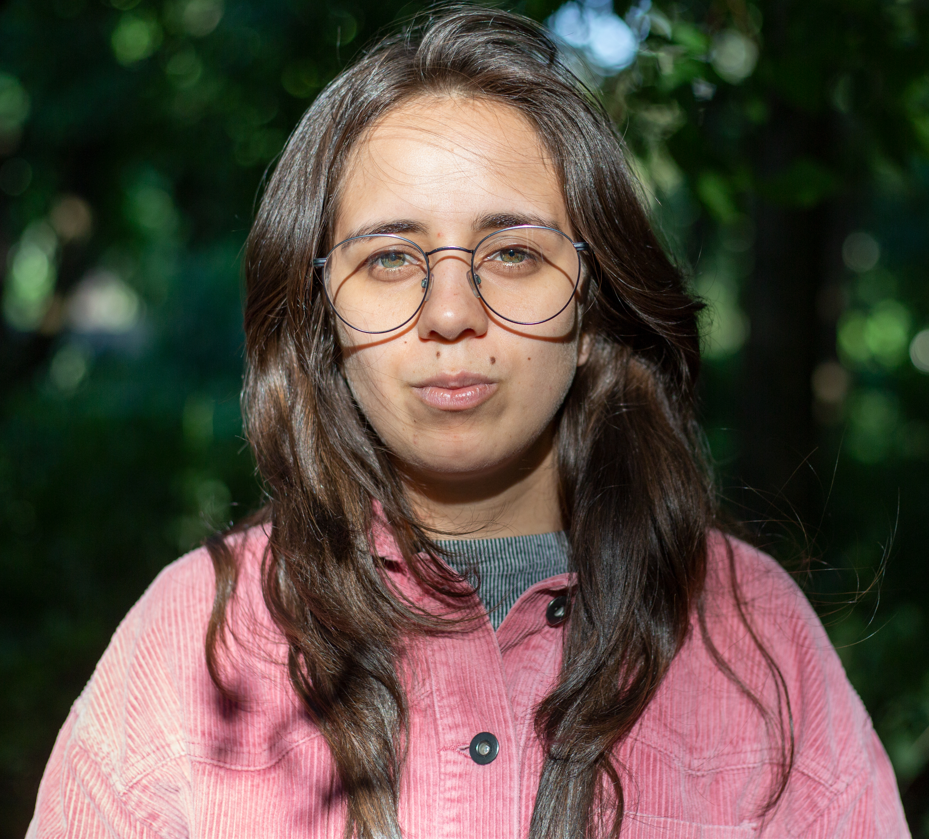
Sára Faragó
Sociology BA

Tamás Mákos
Survey Statistics and Data Analysis MSc

Tamás Pogrányi
Survey Statistics and Data Analysis MSc
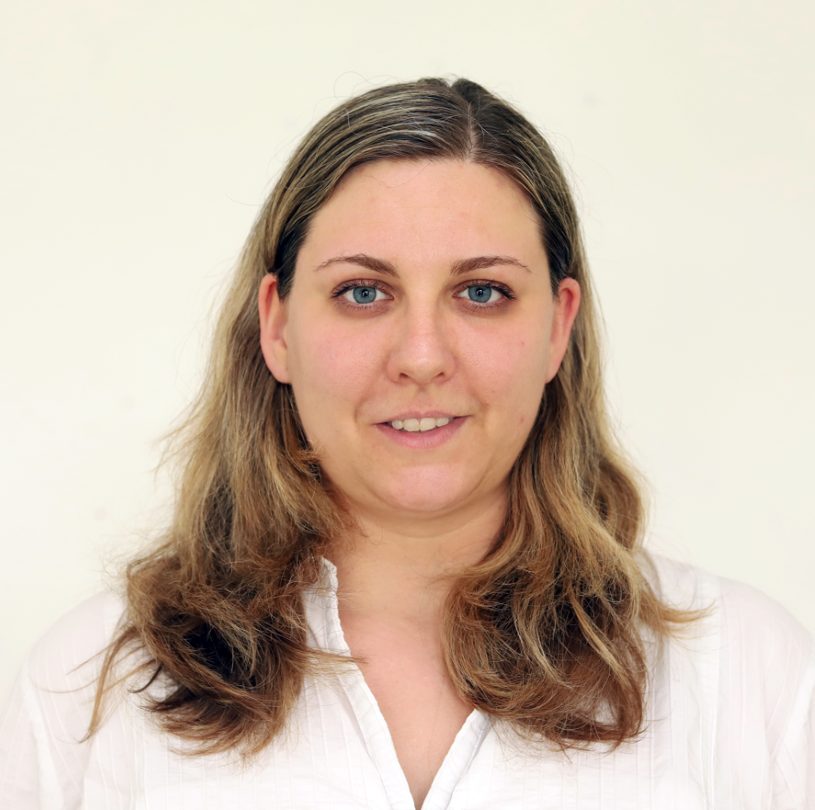
Zita Fellner
Department of Statistics
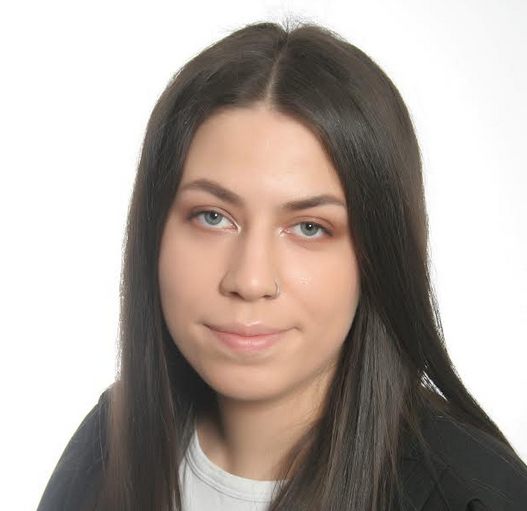
Édua Stangl
Survey Statistics and Data Analysis MSc