Measurement error in questionnaire-based surveys on alcohol consumption
Project duration: January 2026 - January 2027
Measuring socially sensitive behaviors, such as alcohol consumption, is particularly challenging in questionnaire research. In such topics, respondents may be prone to underreporting their consumption, which can significantly influence research findings and the conclusions based on them.
In this project, we continue to work on the results of a research project supported by the ELTE University Excellence Fund 2025. The aim of our project is to investigate to what extent self-reported questionnaires may bias the measurement of alcohol consumption, and what social factors may be behind these biases. Our study is mainly based on the alcohol consumption module of the 11th wave of the European Social Survey (ESS) and the self-reported data collection of the ELTE Panelstory 2025–2026.
Our results show that alcohol consumption measured in questionnaire surveys is significantly lower than the level estimated based on commercial statistics. The perception of social stigmatization of alcohol consumption and the assumption of concealment of alcohol consumption were particularly strong among women, which may contribute to the distortion of self-reporting. The research points out that when interpreting the results of questionnaire data, special attention should be paid to measurement errors and biases arising from sensitive questions. Such methodological studies contribute to improving the data quality of survey research and increasing the reliability of social science conclusions.
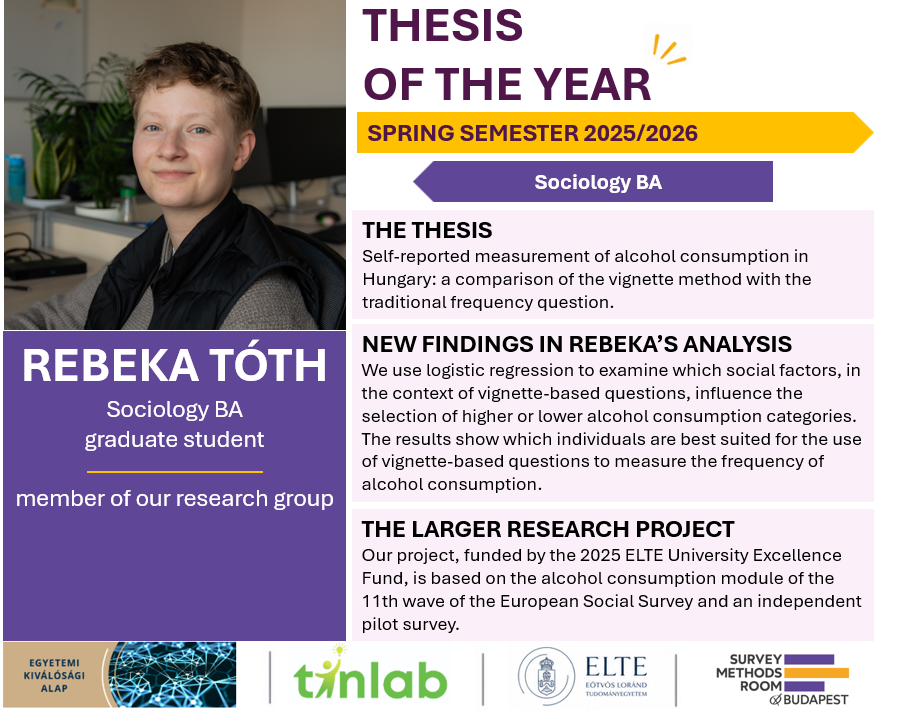
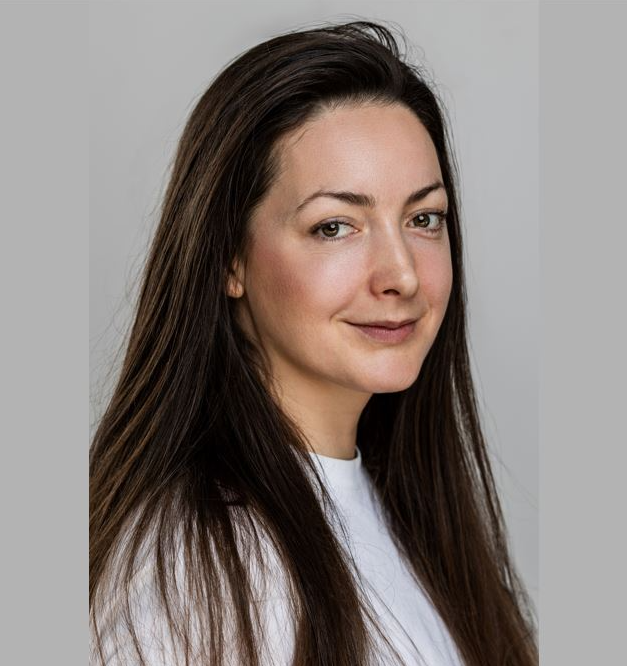
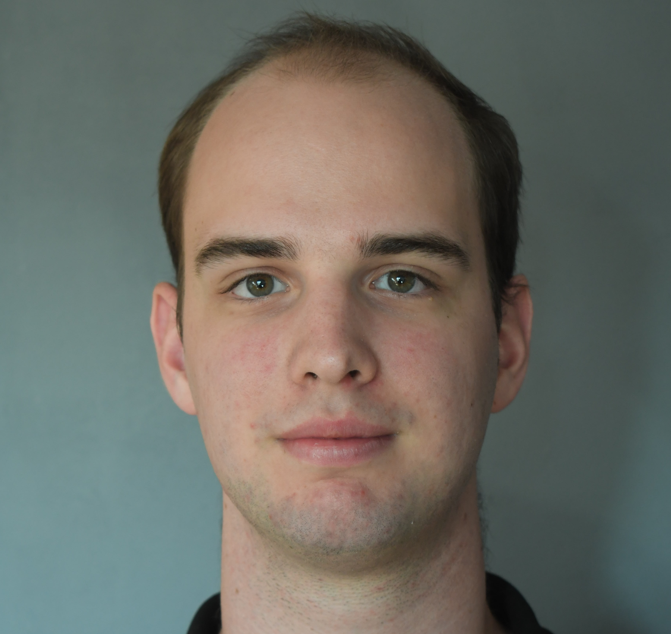
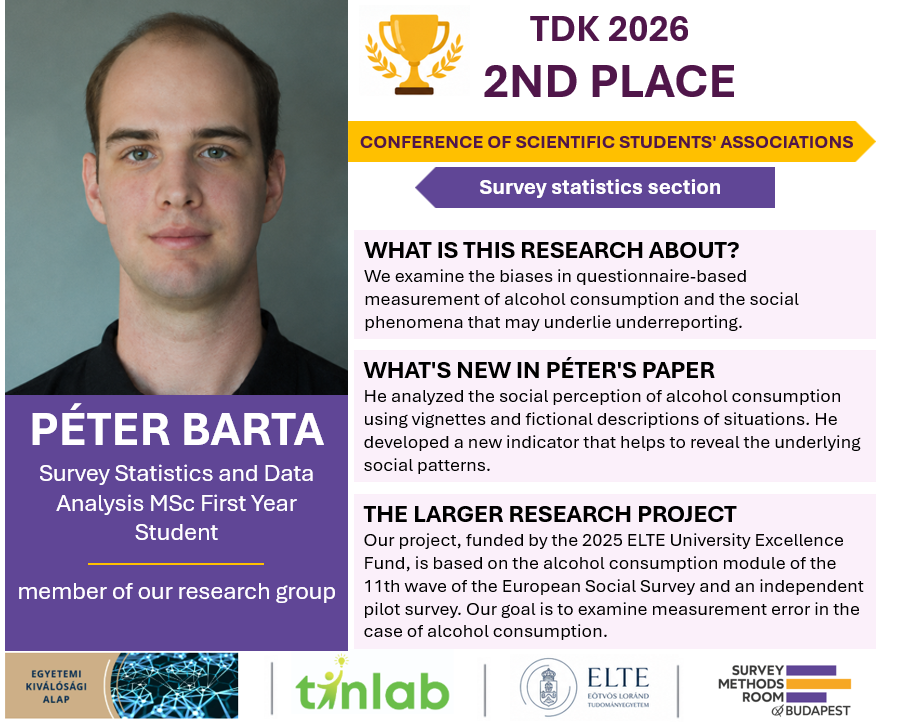
The students participating in the project are examining the issue in the form of a TDK (Association for Student Research) and an undergraduate thesis.
Péter Barta's essay can be read here (in Hungarian).
Rebeka Tóth won the “Thesis of the Year” award for the 2025/2026 academic year with her undergraduate thesis related to the project. Her work can be read here (in Hungarian).