2026. 04. 11.
Party preference patterns in the light of three different data surveys
To test the impact of various data collection methods, the ELTE Survey Methods Room Budapest research group commissioned three different research firms to conduct questionnaire-based data collection surveys of 1,000 respondents each between April 7 and 10, 2026. During the research, all three firms used the same questionnaire to examine election-related questions, based on their own, different methodological standards. The methods used included a variety of sampling and data collection techniques. We will present the methodological findings of the research on April 30, 2026 - below, we highlight a few interesting trends.
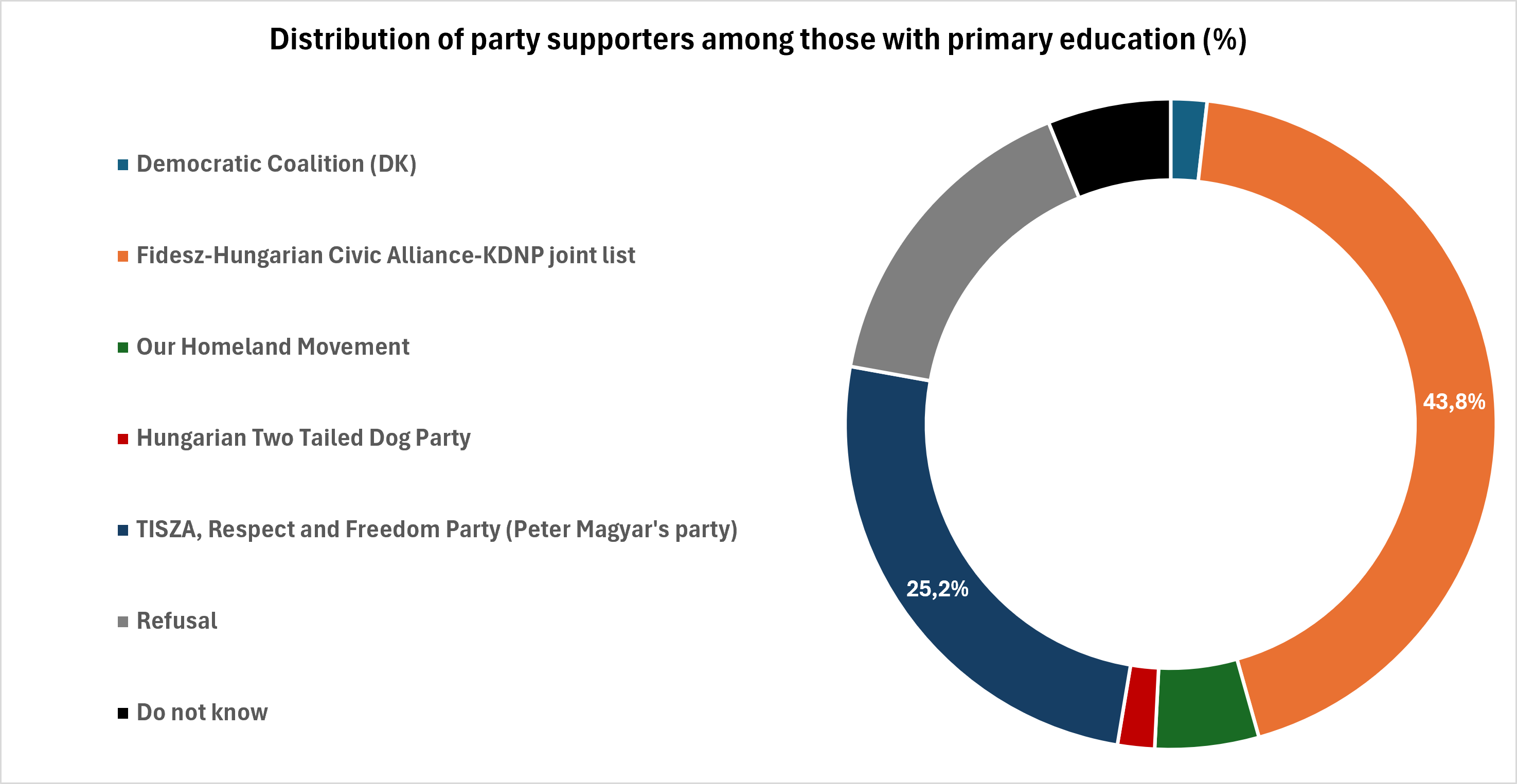
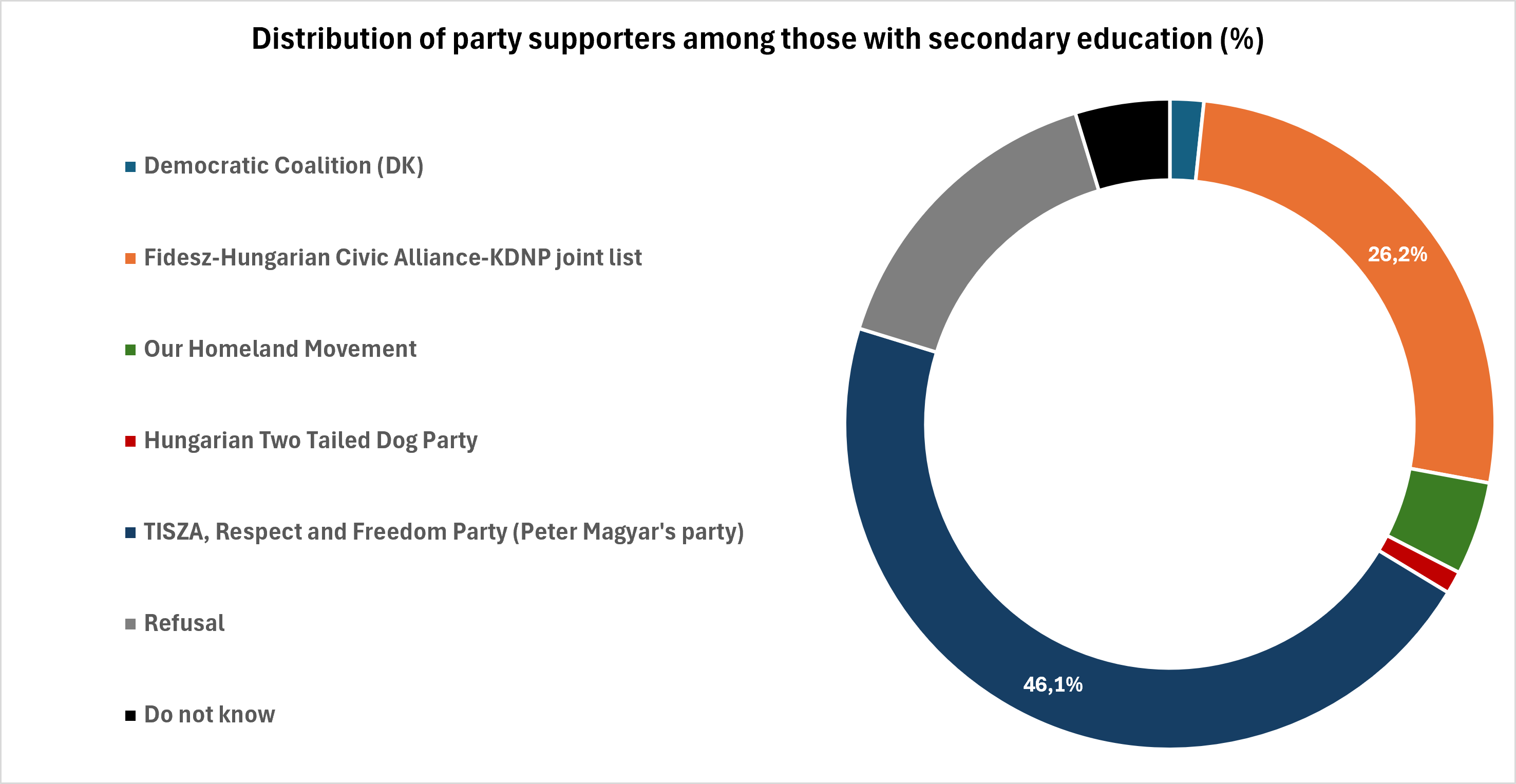
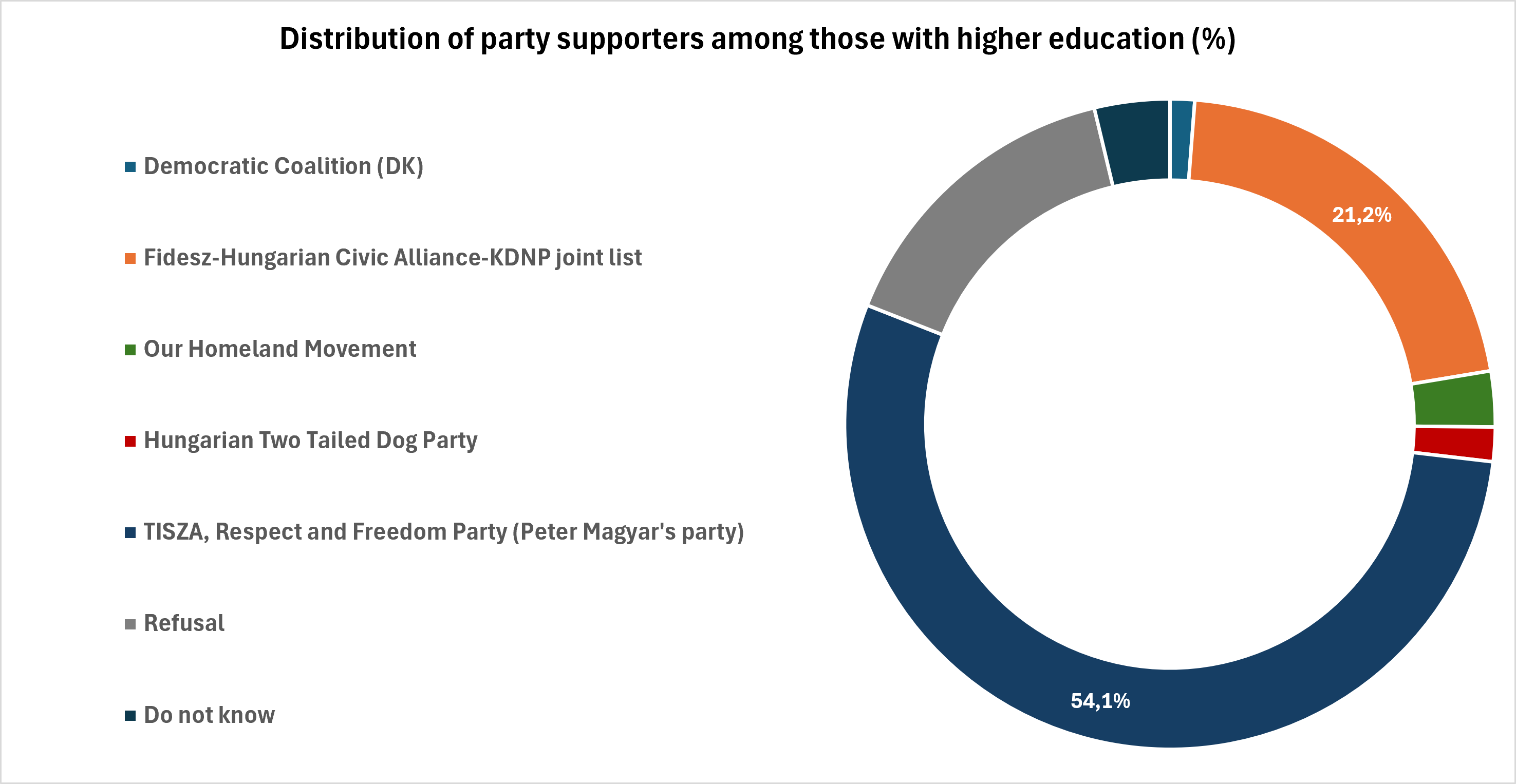
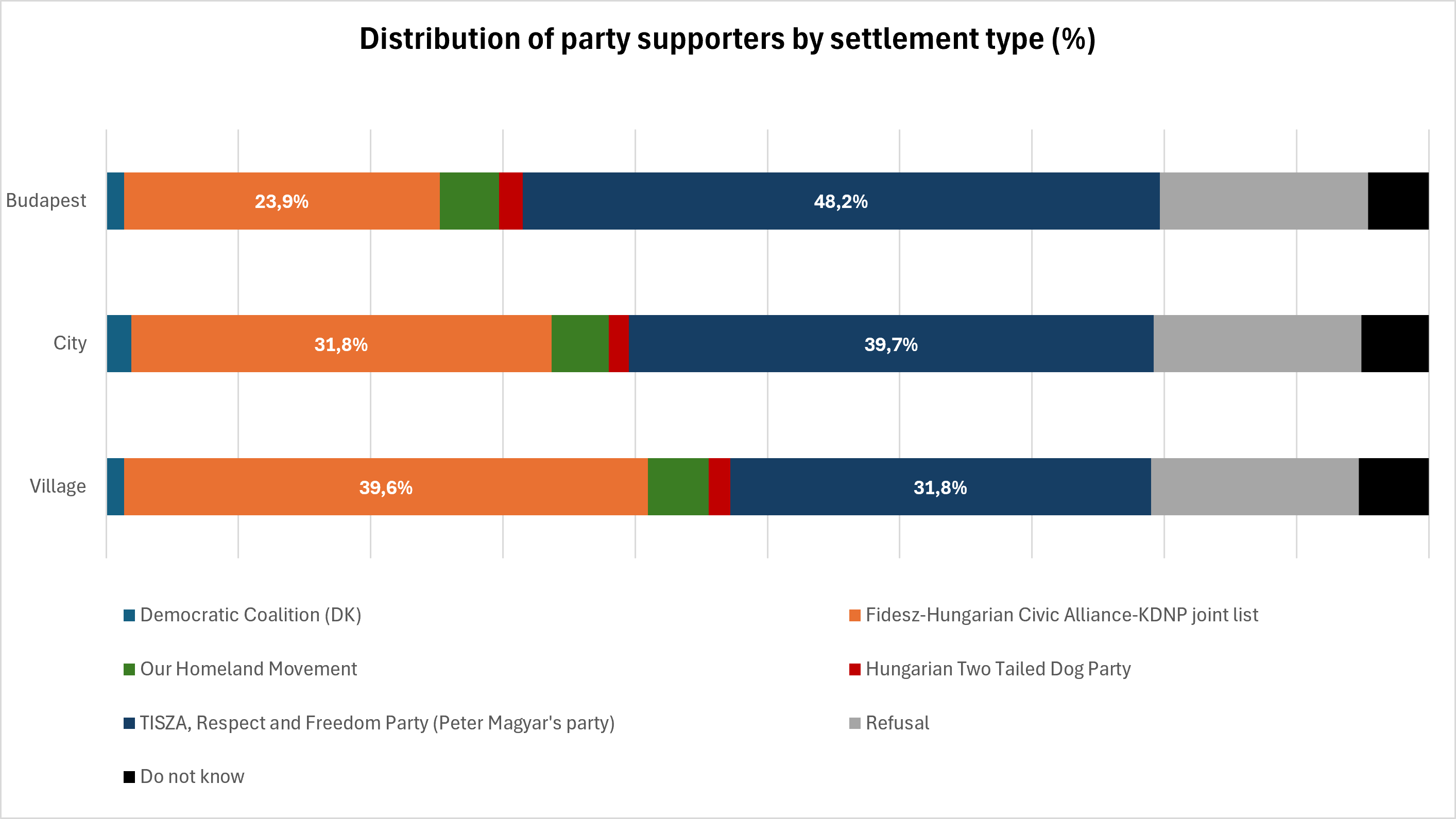
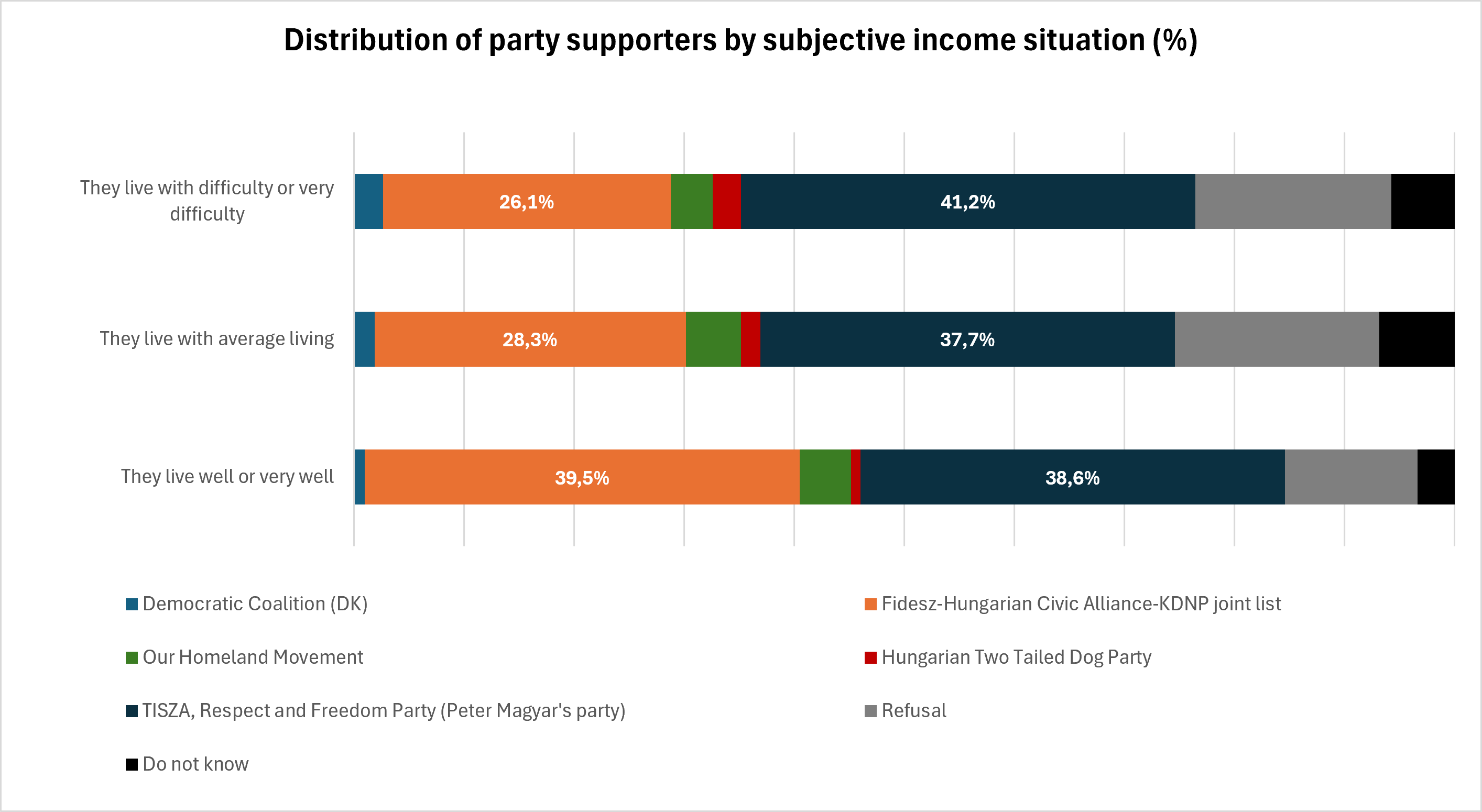
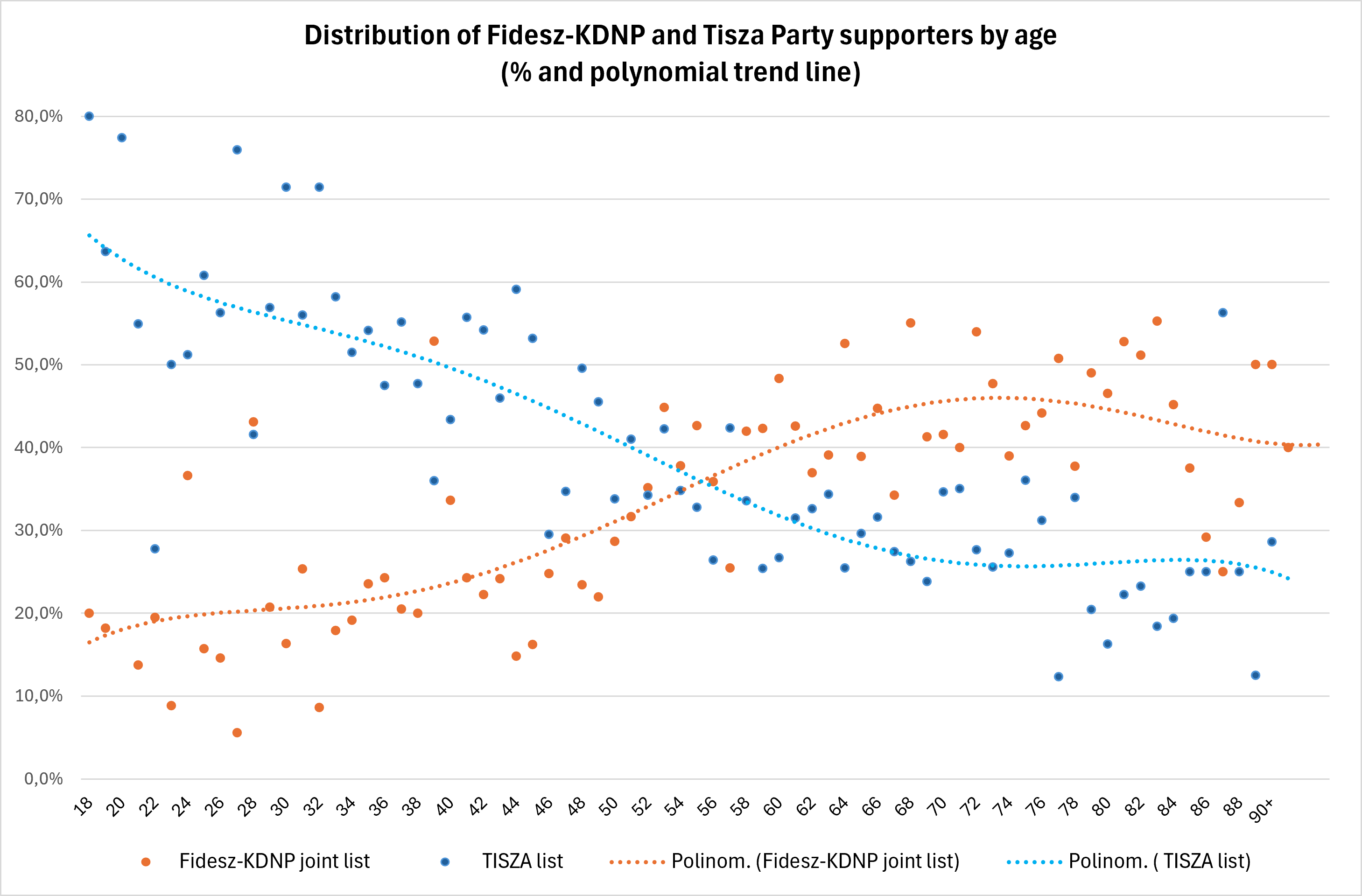
When it comes to party preferences, voters are extremely divided based on their living conditions. Living in rural areas or small towns and having a low level of education are strongly associated with a willingness to vote for Fidesz. Conversely, living in cities or large urban areas and having a higher level of education are associated with voting for Tisza. Support for Tisza is more common among those with a moderate or poor subjective income situation. In addition to the above, a sharp generational divide is also worth mentioning: among those under 55, the Tisza Party is the most supported political party, while among those over 55, Fidesz holds a clear lead.
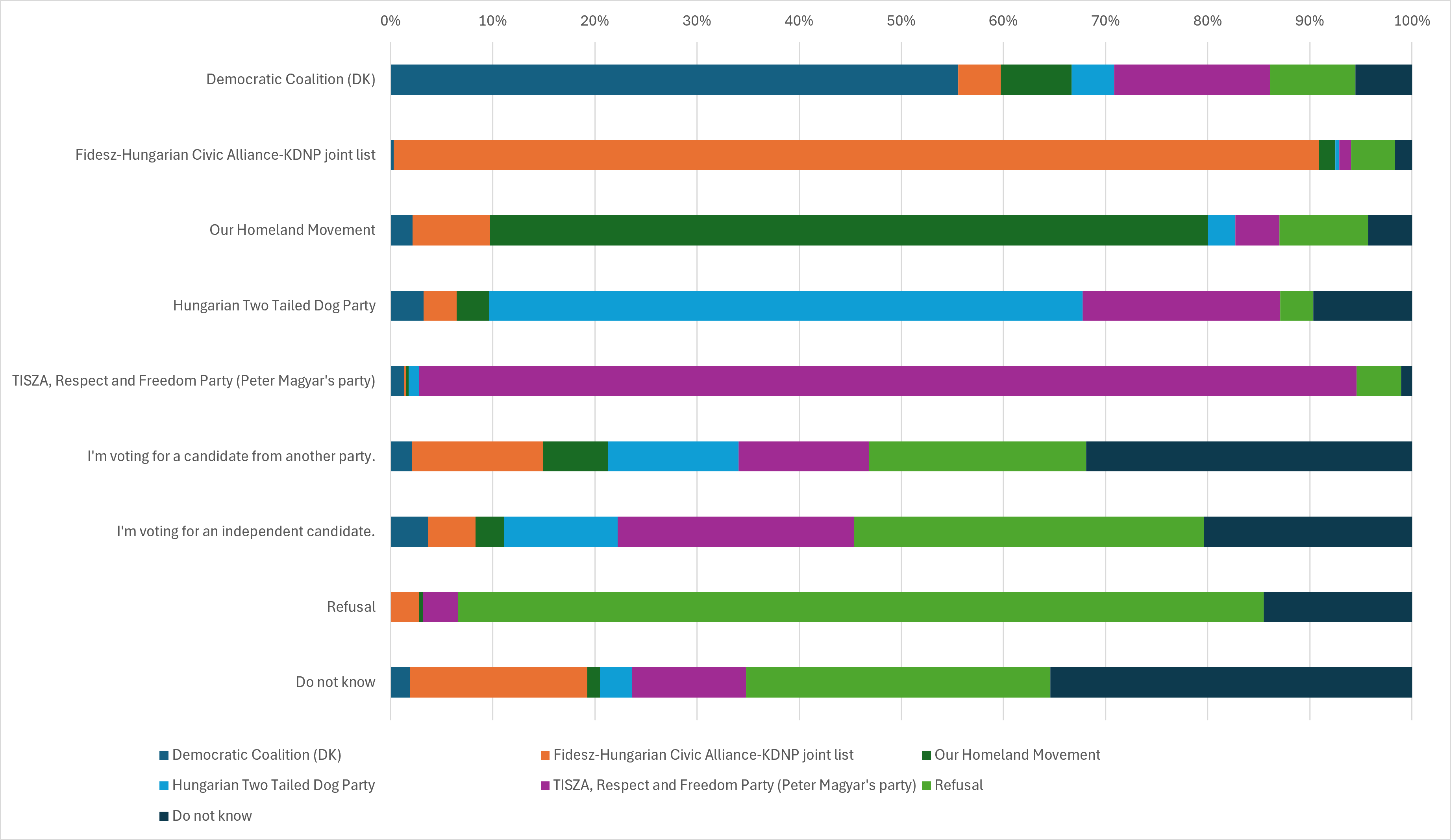
Voting preferences for individual candidates almost completely align with support for party lists. Such a situation favors the formation of an extreme parliamentary composition (such as a two-thirds majority). Parliament will likely be a three-party system. The chances of a Fidesz - Mi Hazánk majority are very small; the most likely outcome is a Tisza majority.